Courier process
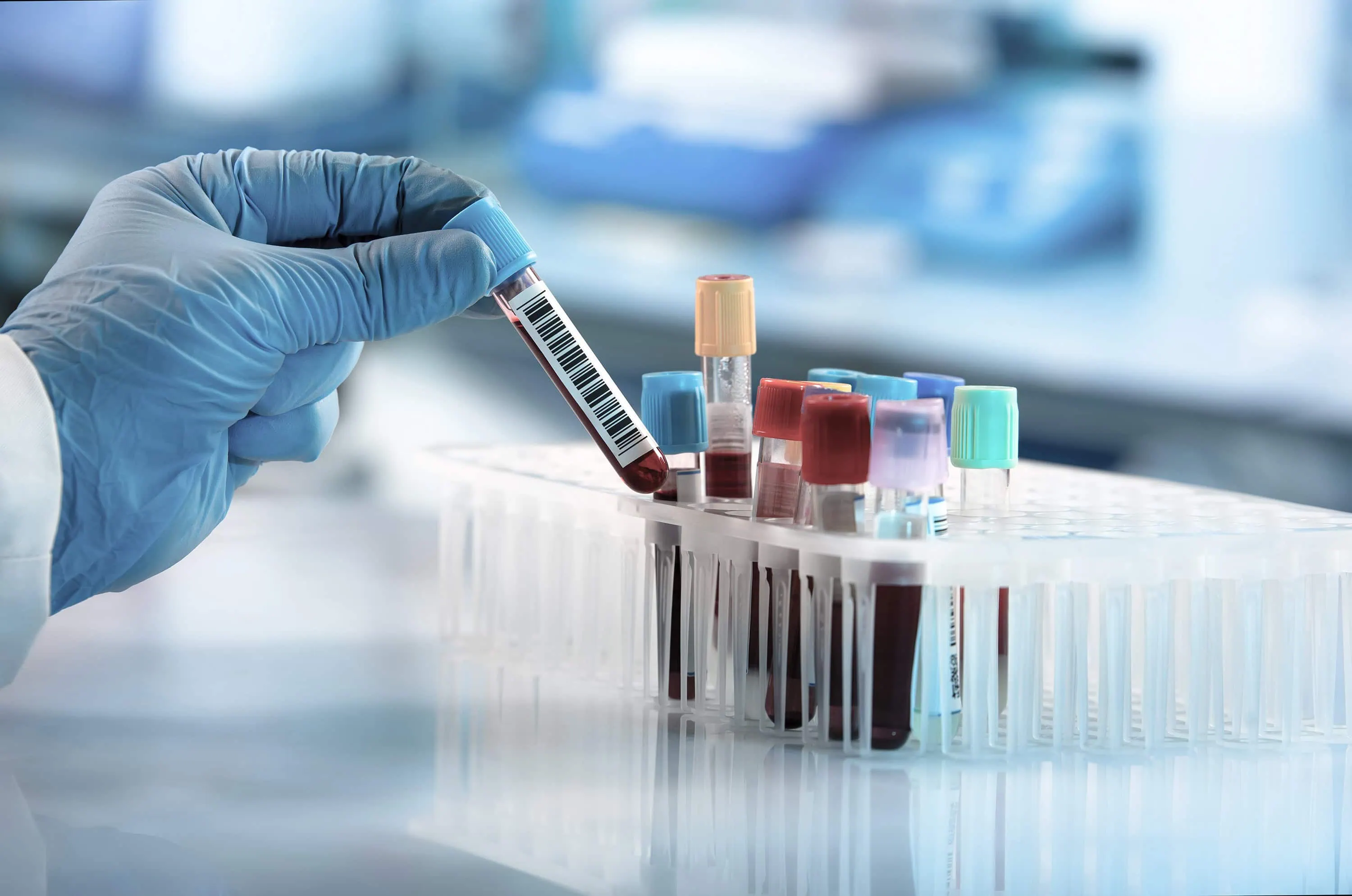
The collection and express transport of biological materials (non-infectious or potentially infectious materials, clinical-laboratory samples, blood units, plasma, etc.) is carried out based on the specifications of the European Agreement concerning the International Carriage of Dangerous Goods by Road (ADR – Accord Dangerous Routier), namely the current ADR code, as applicable, and of Presidential Decree 104/1999 “Adaptation of Greek legislation to the provisions of Directive 94/55/EC concerning the transport of dangerous goods by road”, as applicable, and in accordance with the special specifications for the safe transport of biological material – rules of good practice (GMOs) – also referred to as the Cold Chain of the World Health Organization (W.H.O). Transport temperature conditions are monitored with certified real-time recorders.
License
GENERAL CHEMICAL APPLICATIONS COMPANY is registered in the Register of Postal Enterprises of HTPC with registration number 18-048 for the provision of postal services under a GENERAL LICENSE regime, in accordance with the Regulation on General Licenses for the Provision of Postal Services (Government Gazette 1700/Β/10-07-2013).
Equipment
For the transport of biological materials, portable thermal preservation chambers are used that are certified for the transport of these materials according to ADR, RID, IMDG Code, UN, ICAO TI and IATA and comply with the specifications for the transport of heat-sensitive biological materials by the World Health Organization (WHO).
Their construction specifications and the use of appropriate refrigerants ensure stable transport conditions even in extreme external conditions. The refrigerants used (ice packs, etc.) do not come into direct contact with the biological material. Special portable thermal insulation chambers are used for the transport of biological materials to and from the transport vehicle.
Packaging
The (external) packaging of the biological materials to be transported is made in ADR, RID, IMDG Code, UN, ICAO TI and IATA certified transport packaging for these materials (marking: UN 3373). The refrigerant used does not come into direct contact with the biological materials being transported. In any case, the instructions of the scientific manager of the Health Unit that delivers the biological materials for transport are applied and which are recorded in the special transport documents. The packages are certified for the transport of infectious and potentially infectious substances (diagnostics) and bear external hazard markings (biologically hazardous).
Accompanying documents
During the receipt and delivery of the biological materials, the Accompanying Documents for the Courier Transport of Biological Materials (receipt, transport and delivery documents) are completed in three copies (Sender, Carrier, Recipient). Each accompanying courier delivery note for biological materials includes the following information: the sender, the carrier, the recipient, the transport vehicle, the driver, the type of biological materials, the quantity of biological materials, the transport temperature, the transport packaging and the ADR classification of the materials (class and UN number).
Vehicle details
The company has specially licensed transport vehicles (van type trucks) which are used exclusively and exclusively for the transport of biological materials. The vehicles transporting biological materials bear special markings and equipment, while the company has concluded a contract with a certified Safety Advisor for the Transport of Dangerous Goods (SATDG) in accordance with Joint Ministerial Decree 64834/5491/2000, Government Gazette 1350/B’ and the transport of biological materials is carried out, among other things, based on the provisions of the special issue of instructions for the safe transport of goods according to ADR.
To deal with emergencies (such as a leak), the transport vehicles are equipped with:
- a 3kg dry powder fire extinguisher, which is maintained annually and has a maintenance and expiration date in a clearly visible place
- warning signs
- a vest with phosphorescent elements
- snow chains
- first aid kit
- absorbent material
- water
- chlorine-based disinfectant
- hand antiseptic
- eye drops
- disposable gloves
- gloves for use at low temperatures
- protective goggles
- disposable mask
- clinical waste container.
The vehicles transporting biological material are air-conditioned, and their maintenance/repair does not hinder the safe transport of biological materials. They have the necessary materials and equipment to deal with emergencies, the appropriate First Aid means with pharmaceutical and bandage material, adequate cleaning and disinfection equipment as well as the corresponding fire safety equipment. The equipment of the vehicles is positioned in such a way as not to affect the integrity and use of the transported materials, as well as the regular cleaning and disinfection of the vehicles. They can also be easily washed and disinfected while they also have appropriate equipment for the personal protection of the drivers.
The transport vehicles, after the end of each route, are parked in a special parking area located at the company's headquarters. The vehicles and equipment for transporting biological materials are cleaned and disinfected after the end of each route, so as to be maintained in excellent sanitary condition.
Vehicle tracking
Telematic management and monitoring of courier processes
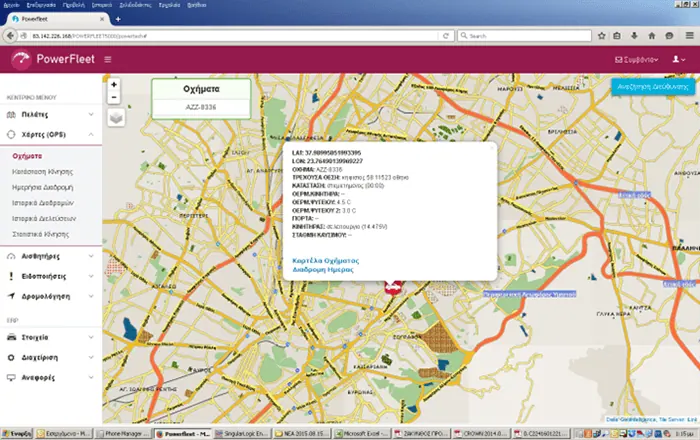
GENERAL CHEMICAL APPLICATIONS has specialized equipment and software for the complete and continuous control of transported biological materials. In addition, the biological materials courier vehicles have special equipment and GPS system software with the ability to monitor, in real time, both the geographical location of the vehicles and record their daily route, as well as the temperature inside the thermal preservation chambers.